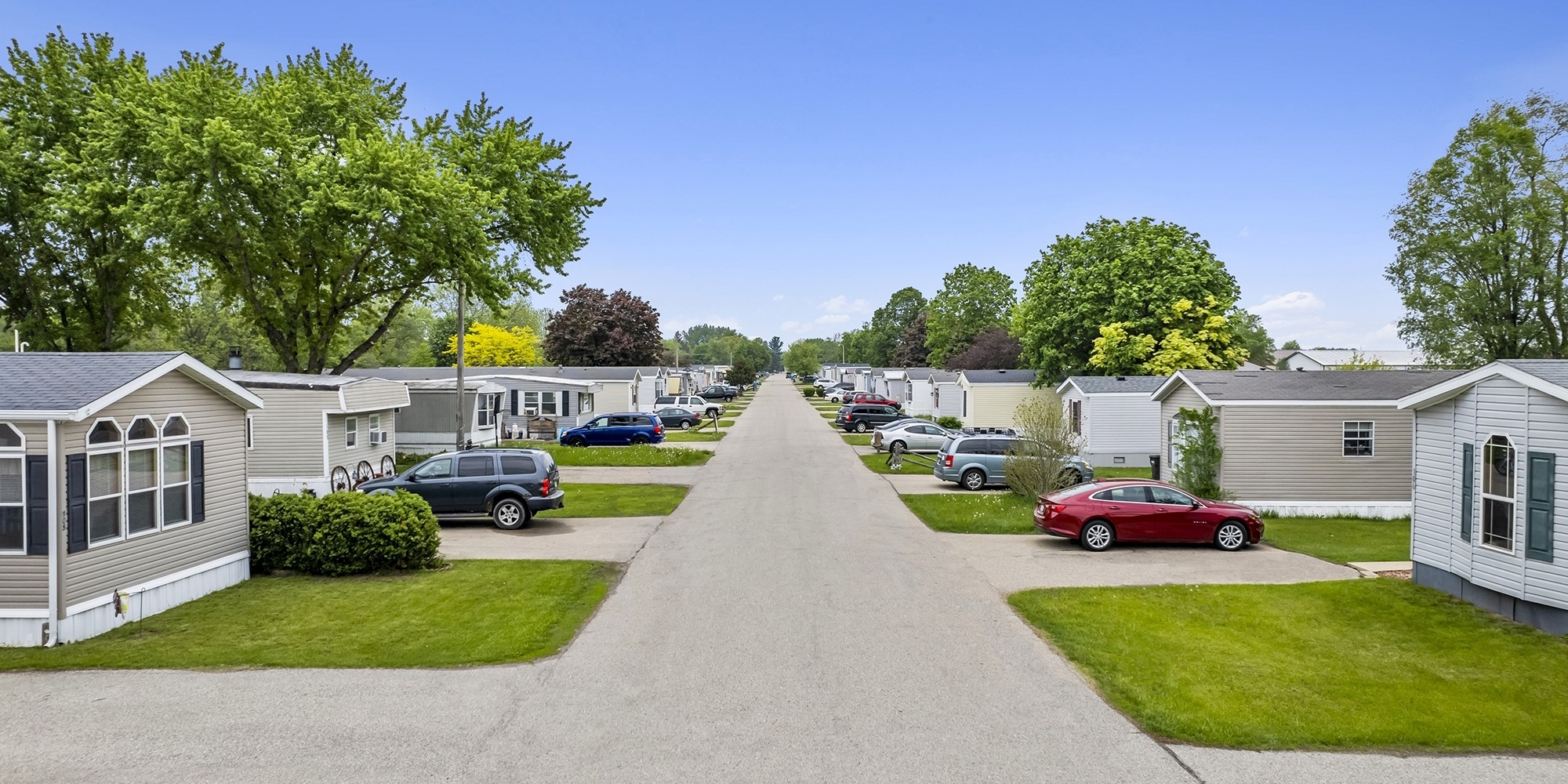
A Smart Guide to the Opportunities and Growth Potential of Manufactured Home Investments
Manufactured home investments have attracted increased attention among investors seeking practical, scalable alternatives to traditional real estate. As housing affordability continues to influence market behavior, manufactured homes offer a compelling investment category that combines accessibility with consistent demand.
For many investors, this sector represents an opportunity to participate in a resilient segment of the housing market while maintaining control over capital allocation.
Understanding how opportunity, income potential, and market alignment work together is essential for investors aiming to make confident decisions. Rather than focusing on uncertainty, successful investors approach manufactured home investments with strategy, planning, and a long-term perspective.
Organizations such as Dare Investing Group support investors by emphasizing education, clarity, and sustainable investment decision-making.
What Are Manufactured Home Investments
Manufactured home investments involve acquiring homes built in controlled factory environments and placed on leased or owned land. These investments may include individual homes, rental units, or participation within professionally managed manufactured housing communities.
Unlike traditional real estate, manufactured homes often allow investors to focus on the structure itself rather than the combined cost of land and construction. This flexibility opens the door to multiple investment approaches, including rental income, resale strategies, and community-based ownership models.
Why Investors Are Increasingly Choosing Manufactured Housing
Manufactured housing has evolved into an essential part of the modern affordable housing ecosystem and continues to attract investor interest for several reasons.
Affordability That Supports Ongoing Demand
One of the most compelling advantages of manufactured home investments is their affordability. As housing prices rise across many regions, manufactured homes offer an affordable housing solution for a broad demographic.
This sustained demand supports:
Reliable occupancy levels
Long-term relevance in growing markets
Consistent interest from renters and buyers
Because affordability remains a long-term housing priority, manufactured housing continues to demonstrate strength across varying economic conditions.
Lower Capital Entry With Scalable Growth
Manufactured home investments typically require less upfront capital compared to traditional real estate. This allows investors to start smaller, scale gradually, or diversify across multiple assets.
Lower entry requirements can support:
Flexible portfolio growth
Easier market entry
Controlled financial exposure
The Reward Potential of Manufactured Home Investments
Manufactured home investments offer several advantages that appeal to income-focused and long-term investors alike.
Consistent Income Opportunities
Many investors evaluate manufactured home investments primarily for their income-generating potential. Rental income, lease agreements, and structured resale models can provide steady returns when supported by effective management.
Key considerations often include:
Predictable monthly income
Efficient operating costs
Stable occupancy patterns
When aligned correctly, manufactured homes can support dependable cash flow over time.
Portfolio Diversification Advantages
Including manufactured housing in a broader investment portfolio can help balance exposure across different real estate segments. This diversification can improve overall portfolio resilience.
Manufactured housing often complements:
Residential rental properties
Income-focused investment strategies
Long-term asset planning
Positive Advantages of Mobile Home Parks
Mobile home parks offer unique benefits that enhance the overall value of manufactured home investments. These communities often provide stability, scalability, and operational efficiency that individual property investments may not offer.
Key positive aspects of mobile home parks include:
Higher occupancy stability due to strong demand for affordable housing
Lower tenant turnover, as residents are more likely to stay long-term
Shared infrastructure that reduces per-unit operating costs
Predictable income through lot rent and long-term leases
Opportunities for gradual value improvement through community upgrades
For investors seeking steady income and operational efficiency, mobile home parks can represent one of the most balanced investment models within the manufactured housing sector.
Building Value Through Strategic Planning
Successful manufactured home investing is driven by thoughtful planning and informed decision-making.
Market Awareness and Location Selection
Understanding local demand, zoning environments, and buyer activity helps investors align investments with growth areas. In many markets, engagement with mobile home cash buyers provides insight into liquidity, resale demand, and exit flexibility.
This market awareness supports:
Smarter acquisition decisions
Clearer exit planning
Stronger long-term positioning
Long-Term and Short-Term Investment Approaches
Manufactured home investments can support both long-term income strategies and shorter-term opportunities.
Long-term approaches often focus on:
Stable occupancy
Reliable cash flow
Operational efficiency
Short-term strategies may emphasize:
Market timing
Value enhancement
Streamlined resale processes
Choosing the right approach depends on financial objectives and personal investment preferences.
Manufactured Home Investments vs Traditional Real Estate
Manufactured home investments differ from traditional real estate in ways that can benefit certain investor profiles.
Capital Efficiency
Traditional real estate often requires higher acquisition costs and longer financing timelines. Manufactured homes offer faster entry and exit due to lower capital requirements.
This efficiency appeals to investors who value:
Faster decision-making
Portfolio flexibility
Lower capital concentration
Performance Expectations
While traditional real estate often emphasizes appreciation, manufactured home investments frequently prioritize income stability. This distinction helps investors set realistic and achievable performance goals.
Who Can Benefit Most From Manufactured Home Investments
Manufactured home investing aligns well with investors seeking practicality, consistency, and scalability.
Income-Oriented Investors
Those prioritizing cash flow and steady returns often find manufactured housing attractive due to its income-driven structure.
Investors Entering the Real Estate Market
Lower capital requirements make manufactured homes an accessible entry point for investors building real estate experience without overextending resources.
Planning for Sustainable Investment Success
Long-term success in manufactured home investments is built on education, adaptability, and strategic planning.
Staying Informed
Investors who stay current with market trends, regulatory updates, and housing demand patterns are better positioned to adjust strategies effectively.
Flexible Investment Planning
A flexible approach allows investors to respond to market changes, optimize performance, and maintain long-term resilience.
Conclusion
Manufactured home investments present a practical and opportunity-driven path within the real estate landscape. With affordability-driven demand, income potential, and diversification benefits, this asset class continues to attract investors seeking balance and stability.
By focusing on strategic planning, education, and market alignment, investors can confidently explore manufactured housing opportunities that support their financial goals. If you are considering ownership transitions or evaluating your options, you can Start Your Mobile Home Sale with guidance designed to support informed decisions.
Frequently Asked Questions
1. What makes manufactured home investments appealing to investors
They offer affordability-driven demand, consistent income potential, and accessible entry points compared to traditional real estate.
2. How do mobile home parks benefit investors
Mobile home parks provide stable occupancy, predictable income, and operational efficiencies, making them attractive for long-term investment strategies.
3. Are manufactured home investments suitable for long-term planning
Yes, performance is often supported by sustained housing demand and income-focused structures rather than short-term market fluctuations.
4. Can manufactured home investments support portfolio diversification
They complement traditional real estate assets by adding income stability and reducing reliance on appreciation alone.
5. How can investors approach manufactured housing strategically
Success comes from market research, education, and choosing investment models aligned with financial objectives.
