
Maximizing value for Plymouth Mobile Homes
We partner with local residents, property owners, and park managers to modernize, buy, and repair mobile and manufactured homes throughout the Plymouth area. Whether you are dealing with a property that needs major work or you want to elevate an entire land-lease neighbourhood, our straightforward approach improves curb appeal, protects investments, and provides reliable options.
Get in Touch Today
Who We Are
A Dedicated MOBILE HOME DEALER PLYMOUTH Homeowners Can Count On
Dealing with factory-built homes requires a team that understands local community rules and specialized construction regulations. At Dare Investing Group, we bridge the gap between real estate, specialized compliance, and practical property improvements. As a trusted mobile home investor in Plymouth, a partner, and a reliable HUD-certified team, we bring the licensing, tools, and local hands-on experience needed to handle individual home acquisitions and complete neighborhood upgrades right here in Plymouth.
About Dare Investing Group
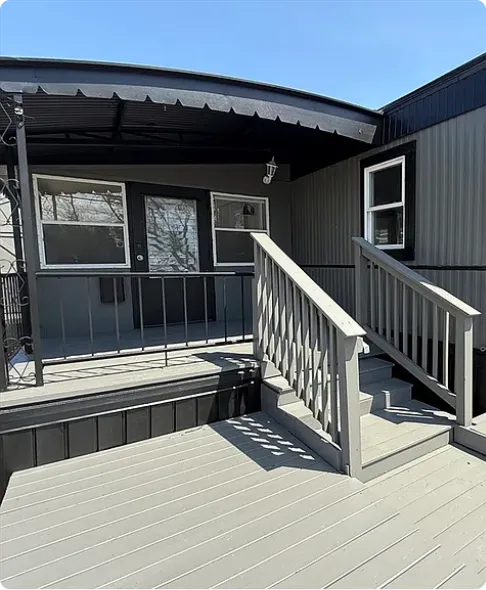
Our business grew out of a genuine passion for specialized real estate. We quickly recognized that mobile and manufactured homes represent a vital sector of affordable housing that standard real estate firms simply don't know how to handle properly.
Our mission is to bring high-quality updates, efficient layouts, and dependable service to local land-lease communities. We work to make transitions seamless for sellers while simultaneously helping park owners maximize their lot occupancy and overall neighborhood aesthetics.
Operating as an active HUD-certified mobile home investor in plymouth, licensed dealer, and Realtor®, we manage everything from quick cash home purchases to precise factory-direct installations and complex structural remodels.
Our Services
Sell My Mobile Home
Mobile Home Buyers
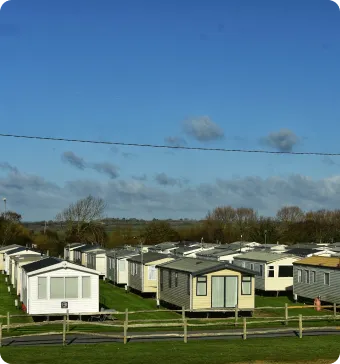
Manufactured Home Buyers
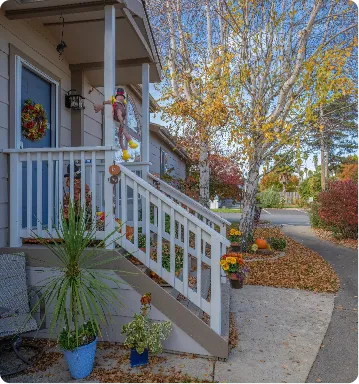
Mobile and Manufactured Home Renovation
At Dare Investing Group, we believe that quality living shouldn’t come at an impossible price. Whether you’re…
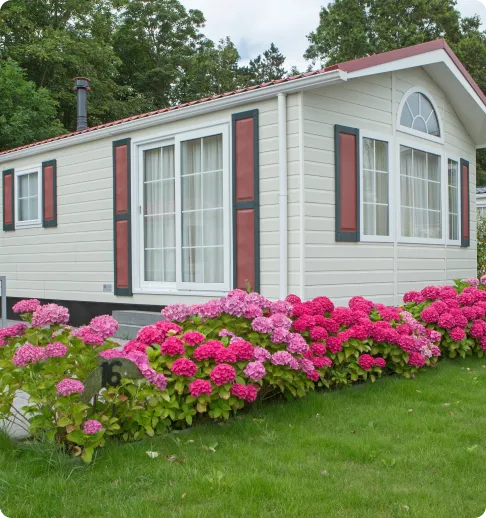
Mobile and Manufactured Home Installation
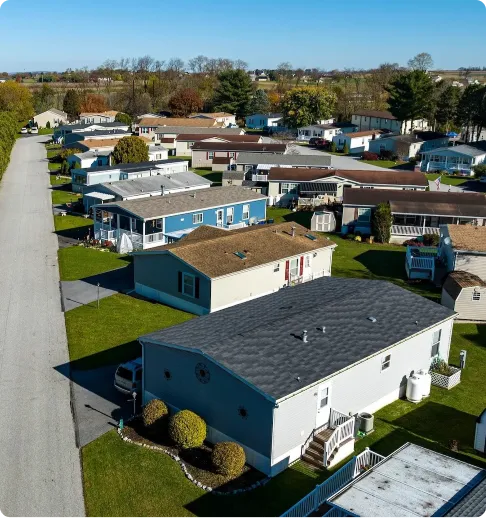
Mobile and Manufactured Home Relocation
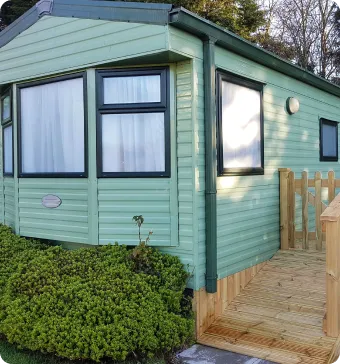
The Simplest Way To Sell Your Plymouth Mobile Home
Ready to move on from your current property without stress? We simplify the selling process completely.
As real estate professionals and a reliable mobile home investor in Plymouth, we buy units directly or position them to sell for top dollar. We eliminate the usual delays, red tape, and park approval headaches so you can close your chapter cleanly.

Fast Offers & Clear Terms:
Get a transparent, no-obligation cash offer on your unit within 24 hours.

No Repairs Required:
We buy homes strictly as-is, meaning you never have to clean out, paint, or fix structural issues.
We Coordinate with Park Management:
We handle the administrative paperwork and community compliance to ensure a smooth transfer.
What client say about us

“As a licensed Realtor® and mobile home investors, we can purchase your home in any condition or help you sell it for maximum value. With transparent options and proven results, we take the stress out of selling so you can move forward confidently.”

Tommy B.
Homeowner
“I have looked at a lot of mobile homes all over New England, and yours are the nicest ones I’ve ever seen.”
Richard S.
Homeowner
Benefits of working with Dare Investing Group
By choosing an established mobile home dealer and experienced property crew, you get a streamlined experience from start to finish. From serving as your certified manufactured home team to updating older plumbing, leveling chassis, or installing brand-new models, our specialized work directly stabilizes local parks and delivers high-quality housing solutions.
With Dare Investing Group
Proven Track Record
Licensed Realtor® + Investor
Transparency & Honesty
Fast, Fair Offers
Any Condition Accepted
HUD-Certified Partners
Community Improvement
Without Us
Uncertain Value
Limited Options
Hidden Costs
Delays & Headaches
Condition Issues
No Specialized Support
Missed Opportunities
Let’s Connect To Learn About
How We Can Work Together
How We Work For You
Our process is built entirely on clarity and speed. As experienced mobile and manufactured home contractor, licensed agents, Realtors®, investors, and direct buyers, we take the guesswork out of upgrading or selling your home. We outline every step upfront, coordinate directly with community managers, and deliver dependable timelines you can actually plan your life around.
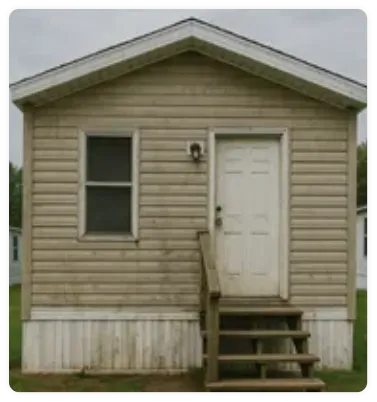
Step 01
Tell Us About Your Mobile Home.
Share a few quick details about your home or park. No matter the condition, we’ll listen and learn about your goals.
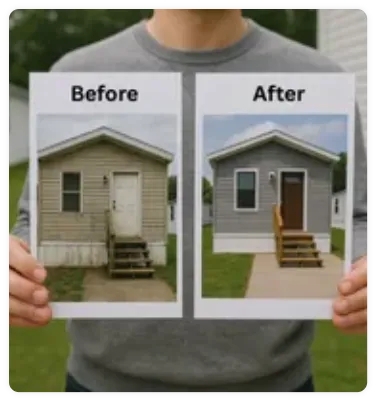
Step 02
We’ll Analyze Your Property
Our team reviews your home or park and provides clear options — from a fast cash offer to market listing or community improvements.
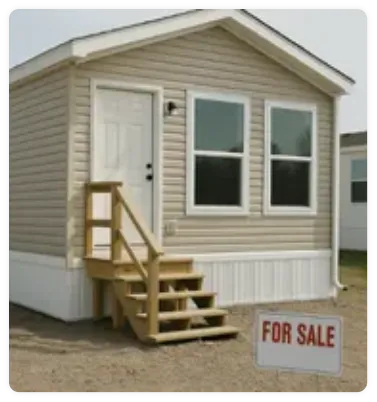
Step 03
Choose Your Best-selling Option
You decide what works best for you. We handle the details and make the process smooth, simple, and stress-free.
Ready To Partner With Us
A thriving community starts with well-maintained homes. We work hand-in-hand with park owners and cooperative managers to breathe new life into local neighborhoods.
As an active manufactured home contractor in plymouth and a HUD-certified mobile home dealer, we fill vacant pads, remove abandoned units, and bring in modern, energy-efficient housing options. This specialized partnership drives down vacancy rates, increases overall property value, and builds a better neighborhood for every resident.
Let's discuss how to bring our proven mobile home solutions and manufactured home solutions to your Plymouth neighborhood today.
Frequently Asked Question
Can I sell my mobile home if it is located in a Plymouth land-lease park?
Yes. Under Massachusetts law, you have the right to sell your home right on its current lot, choose your own broker or buyer, and display "For Sale" signs without park management interference. However, your prospective buyer must meet the community’s residency rules and be approved by park management to take over the lot lease. We regularly coordinate directly with local park offices to ensure a smooth, compliant transfer.
What is the difference between a chattel loan and real estate financing for manufactured homes?
If your home sits on a leased lot inside a community (which is typical in Plymouth), it is legally classified as personal property, or "chattel." Buyers of these homes utilize specialized chattel loans rather than traditional land mortgages. If you own both the home and the land it sits on, it can be titled as real property. Because we act as both a licensed real estate partner and a specialized property investor, we handle both types of transactions cleanly.
Do I need to make repairs before you will buy my home?
Not at all. We specialize in buying manufactured properties completely as-is. Whether your home has structural issues, needs a new vapor barrier, requires leveling, or is filled with old furniture you don't want to move, we take care of it all. You don't have to spend a dime out of pocket or lift a finger to clean it up.
Why should I hire a HUD-certified professional for upgrades or installations?
Manufactured homes are constructed under a strict federal safety code managed by the U.S. Department of Housing and Urban Development (HUD). Traditional contractors often treat these units like standard stick-built homes, which can ruin the chassis, compromise the structural leveling, or violate safety codes. Using an experienced team ensures that all installations, tie-downs, and structural updates fully comply with federal law, protecting your safety and your resale value.
Can a mobile home park owner block me from selling to a buyer?
A park owner or board can only reject a prospective buyer if the buyer fails to meet the park’s pre-approved, uniform community guidelines (such as verified financial inability to pay lot rent or failing a standard background check). A park owner cannot arbitrarily block a sale or force you to use them as your sales agent.
How quickly can you close on a property purchase?
Because we buy directly with our own funds, we don't have to wait around for traditional bank mortgage approvals. Once we agree on a price, we can typically present an offer within 24 hours and close on your timeline—whether that means wrapping things up in a couple of weeks or matching a flexible date that gives you time to plan your next move.
Latest Blogs
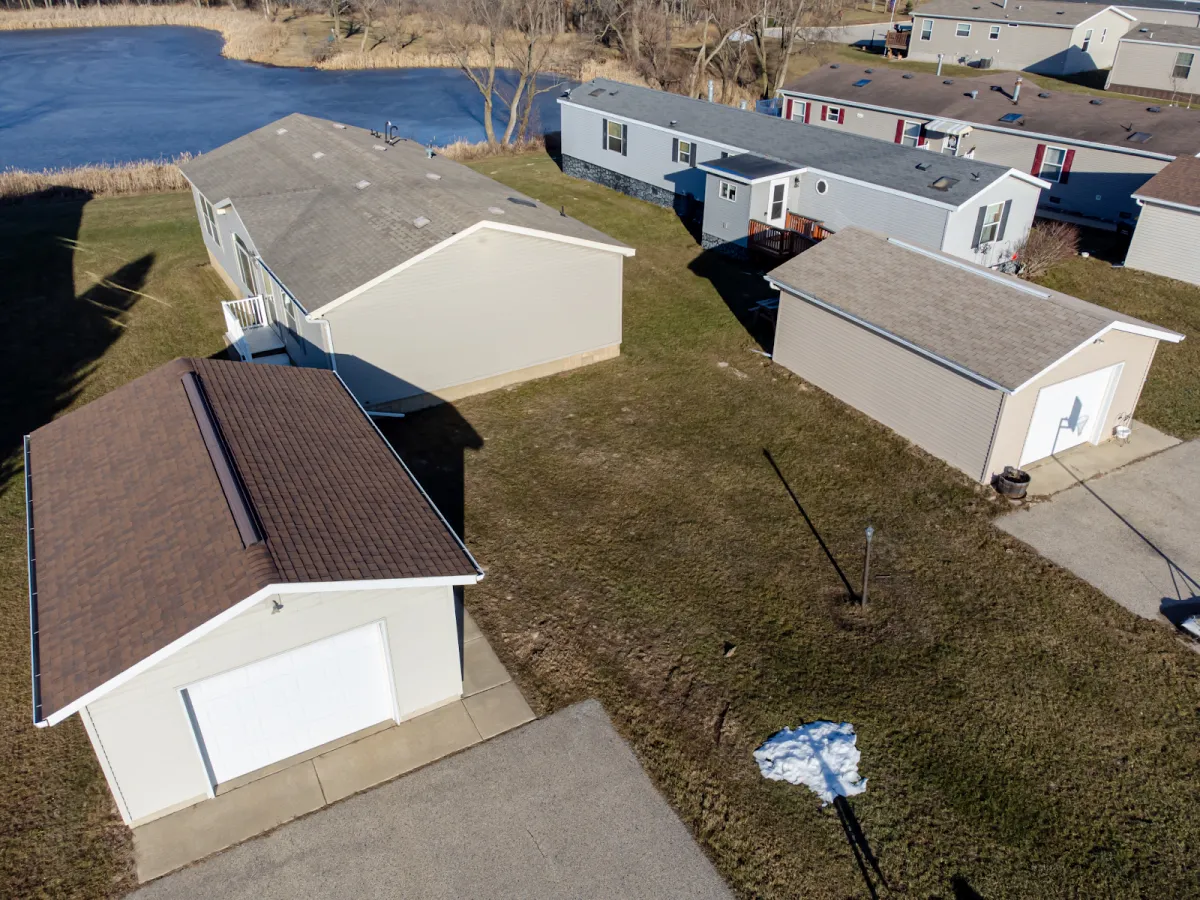
How Renovating Mobile Homes Contributes to Community Development
Renovating mobile homes plays an important role in improving neighborhoods and strengthening communities. As housing affordability becomes a growing concern, renovation projects provide an effective way to enhance existing housing while supporting community development.
By upgrading mobile homes and improving living conditions, communities can create safer, more comfortable environments for residents. Organizations such as Dare Investing Group support housing improvements that help strengthen neighborhoods and promote long-term community stability.
Mobile home renovation not only improves individual homes but also contributes to the overall quality of life in a neighborhood. When homes are well-maintained and modernized, they increase community pride, encourage investment, and create a more attractive environment for residents and visitors.
Understanding the Importance of Mobile Home Renovations
Renovating mobile homes involves upgrading existing manufactured homes to improve their safety, functionality, and appearance. These improvements can include interior remodeling, structural upgrades, energy efficiency enhancements, and exterior improvements.
Enhancing Housing Quality
One of the main benefits of renovating mobile homes is improving housing quality. Upgraded homes provide better living conditions for residents while maintaining affordability.
Renovation projects often focus on areas such as:
Updated flooring and interiors
Improved insulation and energy efficiency
Modern kitchen and bathroom upgrades
Exterior repairs and landscaping improvements
These upgrades help ensure that mobile homes remain comfortable and functional for long-term living.
Preserving Affordable Housing
Instead of replacing older homes with expensive new developments, renovation projects preserve affordable housing options. This approach allows communities to maintain accessible housing while improving the overall condition of existing properties.
The Role of Renovation in Community Development
Home renovations can influence the broader development of a community. When multiple homes in a neighborhood are renovated, the entire area begins to experience positive changes.
Improving Neighborhood Appearance
Renovated homes create a cleaner and more visually appealing environment. Updated properties often inspire other homeowners to improve their homes, creating a positive cycle of neighborhood enhancement.
Encouraging Community Pride
When residents live in well-maintained homes, they often develop a stronger connection to their community. This sense of pride encourages people to take better care of their surroundings and participate in local initiatives.
Communities with renovated homes often experience:
Increased neighborhood engagement
Greater sense of safety and comfort
Higher levels of community cooperation
These benefits contribute to a stronger and more connected neighborhood.
Increasing Property Value and Local Investment
Renovation projects can also stimulate economic activity within a community. Updated homes can increase property value and attract additional investment in the surrounding area.
Attracting New Residents
Modernized homes can attract new residents seeking affordable housing in welcoming communities. Improved housing conditions make neighborhoods more desirable and encourage population growth.
Supporting Affordable Housing Opportunities
Many people looking for housing consider Manufactured Homes for Sale because they offer an affordable path to homeownership. Renovating existing mobile homes helps expand the availability of quality manufactured housing while supporting community development.
As housing demand continues to grow, well-maintained and renovated mobile homes can provide an important solution for individuals and families seeking affordable living options.
Social Benefits of Mobile Home Renovation
Beyond economic benefits, renovating mobile homes also creates meaningful social improvements within communities.
Strengthening Community Relationships
When residents work together to improve their homes and surroundings, it builds stronger relationships among neighbors. Shared efforts toward improvement encourage collaboration and communication.
Creating Safer Living Environments
Renovation projects often address safety improvements such as structural repairs, electrical upgrades, and better lighting. These updates help create a safer environment for families and children.
Key social benefits include:
Safer and more comfortable housing
Improved neighborhood appearance
Greater community cooperation
Enhanced quality of life for residents
These factors demonstrate how home renovations contribute to the overall health of a community.
Environmental Benefits of Renovating Mobile Homes
Renovation projects can also support sustainability and environmental responsibility.
Improving Energy Efficiency
Many renovation projects focus on upgrading insulation, windows, and energy systems. These improvements reduce energy consumption and help homeowners lower their utility costs.
Reducing Construction Waste
Renovating existing homes reduces the need for new construction materials. By improving current structures rather than replacing them, communities can reduce waste and promote more sustainable housing practices.
Environmentally responsible renovations often include:
Installing energy-efficient appliances
Improving insulation and ventilation
Using durable and sustainable materials
These upgrades benefit both homeowners and the environment.
Long-Term Community Growth Through Renovation
Mobile home renovations can serve as a foundation for long-term community growth. When homes are consistently maintained and upgraded, communities remain attractive and stable over time.
Supporting Community Stability
Well-maintained housing contributes to neighborhood stability by encouraging residents to stay longer and invest in their surroundings.
Encouraging Responsible Investment
Investors and housing professionals often support renovation projects that improve housing quality while maintaining affordability. These efforts help ensure that communities continue to grow in a balanced and sustainable way.
Renovation projects can lead to:
Increased neighborhood stability
Stronger local economies
Improved housing accessibility
These outcomes highlight the long-term value of renovating mobile homes within communities.
Conclusion
Renovating mobile homes is more than a property improvement strategy. It is an effective way to support community development, improve housing quality, and strengthen neighborhoods. Renovation projects help preserve affordable housing while creating safer and more attractive living environments for residents.
As communities continue to look for sustainable housing solutions, renovating existing mobile homes will remain an important approach to maintaining affordability and promoting neighborhood growth. If you are considering selling your mobile home or exploring your options, you can get your cash offer and connect with professionals who understand the value of well-maintained housing within thriving communities.
Frequently Asked Questions
1.Why is renovating mobile homes important for communities?
Renovating mobile homes improves housing quality, enhances neighborhood appearance, and encourages community pride. These improvements contribute to stronger and more stable communities.
2. How do mobile home renovations support affordable housing?
Renovations allow older homes to remain functional and comfortable without requiring costly new construction. This helps maintain affordable housing options for many residents.
3. What types of improvements are common in mobile home renovations?
Common renovations include interior upgrades, energy efficiency improvements, structural repairs, and exterior enhancements that improve both comfort and appearance.
4. Can renovating mobile homes increase property value?
Yes, upgrading and maintaining mobile homes can increase property value and make communities more attractive to potential residents and investors.
5. How do renovations benefit residents living in mobile home communities?
Residents benefit from safer homes, improved living conditions, lower energy costs, and stronger community environments created through ongoing property improvements.

Dare Investing Group provides solutions for mobile and manufactured homes — from buying and selling to partnering with park owners.
Follow Us


Our Services
Affordable Housing Option
Massachusetts
Plymouth


