Blogs
The Importance of Mobile Home Communities in Affordable Housing
Affordable housing has become a growing concern for many communities across the United States. Rising property prices, increasing rental costs, and limited housing supply have made it difficult for families to find stable and affordable living options. Mobile home communities have emerged as a practical and sustainable solution to this challenge.
Organizations such as Dare Investing Group are actively contributing to the development and support of these communities, helping provide housing opportunities for individuals and families seeking affordability and stability.
Mobile home communities offer more than just affordable housing. They create a supportive environment where residents can build relationships, share resources, and develop a strong sense of belonging.
As policymakers and community advocates continue to search for effective housing solutions, mobile home communities are increasingly being recognized for their significant role in addressing the affordable housing crisis.
Understanding Mobile Home Communities
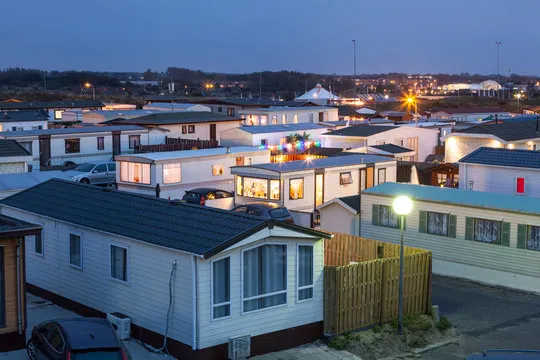
Mobile home communities are residential areas specifically designed to accommodate manufactured homes. These communities provide designated lots where homeowners can place their manufactured houses while benefiting from shared infrastructure and community amenities.
What Defines a Mobile Home Community
A mobile home community typically consists of several manufactured homes placed within a planned neighborhood. Residents may own their homes while renting the land on which the homes sit. This structure allows people to access affordable housing while still enjoying the benefits of homeownership.
Key Features of Mobile Home Communities
Unlike traditional housing developments, mobile home communities provide several features that make them attractive for residents:
Lower housing costs compared to traditional homes
Shared community infrastructure and utilities
Flexible living arrangements for various income levels
Neighborhood environments that promote interaction
Because of these features, mobile home communities have become an important option for people seeking affordable housing solutions.
Why Affordable Housing Is a Growing Concern
Across many regions, the gap between housing costs and household income continues to widen. Many families spend a large portion of their income on rent or mortgage payments, leaving limited financial flexibility for other essential needs.
Rising Property and Rental Costs
The cost of purchasing or renting a home has increased significantly in recent years. Urban expansion, limited housing supply, and increased demand have contributed to higher property prices in many areas.
Limited Affordable Housing Options
Many cities struggle to build enough affordable housing units to meet growing demand. Construction costs, zoning regulations, and land availability often limit the development of low-cost housing projects.
Key challenges that affect housing affordability include:
Increasing property values
Rising construction and development costs
Population growth and urban migration
Limited government-supported housing programs
These issues highlight the importance of exploring alternative housing solutions such as mobile home communities.
The Role of Mobile Home Communities in Housing Accessibility
Mobile home communities provide a pathway to homeownership for many individuals who may otherwise struggle to enter the traditional housing market.
Lower Entry Costs for Homeownership
Manufactured homes are typically more affordable to build and purchase than traditional homes. This allows families to own a home at a lower cost while benefiting from a stable living environment.
Flexible Housing Options for Families
Mobile home communities offer flexibility for individuals and families at different stages of life. Whether someone is a first-time homeowner, a retiree, or a worker seeking affordable housing, these communities provide practical living options.
Residents often benefit from:
Lower monthly housing expenses
Reduced maintenance responsibilities
Access to shared community services
These advantages make mobile home communities a valuable component of the affordable housing landscape.
Economic and Social Benefits for Communities
Mobile home communities not only support residents but also contribute to the broader local economy and social environment.
Supporting the Local Workforce
Affordable housing allows workers to live closer to their jobs, reducing commuting challenges and supporting local economic stability. Communities with accessible housing often experience stronger workforce retention.
Strengthening Local Communities
Affordable housing options create more inclusive communities by allowing individuals from different income levels to live within the same area. This diversity helps build stronger and more connected neighborhoods.
Some of the broader benefits include:
Greater housing accessibility
Increased local economic participation
Support for nearby businesses and services
Stronger community stability
The Importance of Responsible Community Investment
Maintaining and improving mobile home communities requires responsible investment and long-term planning.
Improving Infrastructure and Living Standards
Investors who specialize in manufactured housing often focus on upgrading infrastructure such as roads, utilities, and shared facilities. These improvements help maintain a safe and comfortable environment for residents.
Supporting Sustainable Housing Development
Organizations such as mobile home investors Plymouth work to maintain high standards within mobile home communities while ensuring that housing remains accessible and affordable.
Strategic investments in these communities help preserve affordable housing while enhancing the overall quality of life for residents.
Community Living and Social Connection
Mobile home communities offer more than financial benefits. They also foster meaningful relationships and social support networks.
Building Strong Neighborhood Relationships
Residents often develop close connections with their neighbors. Shared spaces and community activities encourage interaction and help people feel more connected to their surroundings.
Creating a Supportive Living Environment
Living within a community setting can improve overall well-being. Many residents appreciate the sense of security and cooperation that comes from living in a neighborhood where people know and support one another.
Benefits of community living include:
Opportunities for social interaction
Shared resources and support systems
Community engagement and activities
A stronger sense of belonging
Future Opportunities for Mobile Home Communities
As housing affordability continues to be a challenge, mobile home communities are expected to play an increasingly important role in the future of housing development.
Expansion of Modern Manufactured Housing
Advancements in manufactured housing technology have improved the design and durability of modern mobile homes. These improvements are helping change perceptions and increase demand for manufactured housing communities.
Collaboration Between Investors and Policymakers
Partnerships between investors, housing advocates, and local governments can help expand the availability of affordable housing through well-managed mobile home communities.
Future opportunities may include:
Development of new manufactured housing neighborhoods
Improved infrastructure and amenities
Greater public awareness of affordable housing solutions
Conclusion
Mobile home communities continue to play a critical role in addressing the growing need for affordable housing. They provide a practical path to homeownership, support local economic development, and create supportive neighborhood environments for residents.
With responsible investment and community-focused development, these housing options can continue to expand and provide stable living opportunities for families across many regions. If you are considering selling a mobile home or property within a community, you can explore your options and request a cash offer from professionals who specialize in this market.
Frequently Asked Questions
1. What are mobile home communities?
Mobile home communities are residential areas designed specifically for manufactured homes, where residents typically own their homes while leasing the land, making housing more affordable.
2. Why are mobile home communities important for affordable housing?
They provide lower-cost housing options that help individuals and families access stable homes without the high expenses associated with traditional housing.
3. Are mobile homes the same as manufactured homes?
Modern manufactured homes are built according to federal construction standards and are often placed in mobile home communities, offering durability and affordability.
4. How do investors support mobile home communities?
Investors maintain infrastructure, improve community amenities, and ensure that these housing developments remain safe and sustainable for residents.
5.Can mobile home communities help solve housing shortages?
Yes, they offer scalable and cost-effective housing solutions that can help address housing shortages in many regions while supporting community development.


Dare Investing Group provides solutions for mobile and manufactured homes — from buying and selling to partnering with park owners.
Follow Us


Our Services
Affordable Housing Option
Massachusetts
Plymouth


